When property damage affects a government or municipal building, the consequences extend far beyond the structure itself. Public services may be interrupted, employees are displaced, community access is limited, and leadership must respond quickly while maintaining accountability, safety, and regulatory compliance. These facilities often serve as essential hubs for daily operations, and even temporary closures can impact entire communities.
At Flawless Restore, we understand that restoration within government environments requires more than technical expertise. It requires organization, transparency, and a clear understanding of public responsibility. Our team works alongside facility managers, municipal leaders, and risk management professionals to stabilize damage quickly, protect public safety, and help buildings return to operational readiness as efficiently as possible. We position ourselves as a rapid response commercial partner focused on continuity of public services, not simply a repair contractor.


Government buildings support critical functions ranging from administrative services and courts to public safety offices and community programs. When damage occurs, the disruption affects employees, citizens, and essential operations simultaneously. Water damage from plumbing failures or roof leaks can shut down offices that process permits, licenses, or public records. Fire or smoke incidents may compromise air quality across shared spaces, preventing safe occupancy.
Storm events can damage entrances, infrastructure, or electrical systems, limit public access and delay essential services. Facility managers must coordinate response efforts while maintaining transparency, meeting procurement and compliance requirements, and communicating with multiple stakeholders. Leadership must also ensure taxpayer resources are used responsibly throughout recovery. Flawless Restore understands these unique pressures and provides structured restoration solutions designed to restore operations quickly while supporting public accountability.
Unlike private commercial properties, government facilities serve communities directly. When buildings close, citizens may lose access to services they depend on daily. Administrative delays can affect licensing, inspections, court schedules, or community support programs.
Extended downtime also impacts on employees who rely on safe and functional workplaces to carry out essential responsibilities. Operational interruptions may create backlogs that take weeks or months to resolve even after repairs are completed. Rapid stabilization reduces these risks by preventing damage from spreading and accelerating recovery timelines. Flawless Restore focuses on helping municipalities resume services quickly while maintaining safety and compliance throughout the restoration process.


Government properties often include older infrastructure combined with modern systems, creating unique restoration challenges. Plumbing failures, aging roofing systems, and HVAC issues frequently lead to water intrusion affecting offices, records storage areas, and shared workspaces. Fire incidents can introduce smoke contamination that travels through ventilation systems, affecting multiple departments. Even small fires may require extensive cleaning and air quality restoration before employees and the public can safely reenter the building.
Severe weather events may damage exterior structures, windows, or utility systems, disrupting access and safety. Hidden moisture behind walls or beneath flooring can create long-term structural or environmental concerns if not addressed promptly. Flawless Restore evaluates both visible and underlying damage to ensure facilities are fully restored and safe for public use.
Restoration in government facilities requires careful planning, clear communication, and organized execution. Our process begins with rapid response and stabilization to secure affected areas and prevent further damage. Early intervention helps leadership make informed decisions while limiting operational disruption.
Communication remains central throughout recovery. Facility managers and administrators receive consistent updates, detailed documentation, and realistic timelines that support internal reporting and stakeholder communication. Restoration activities are coordinated carefully to reduce disruption to ongoing operations whenever possible. Environmental drying, professional cleaning, and structural restoration are performed with reopening readiness in mind. Every phase is designed to help buildings return to service safely while maintaining operational continuity.
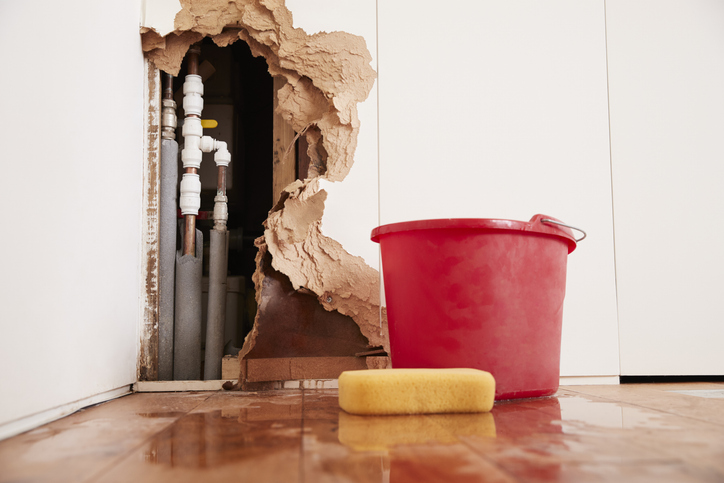
Government buildings must meet strict safety and accessibility standards before reopening. Concerns related to air quality, structural integrity, and environmental conditions must be addressed thoroughly to protect both employees and the public.
Flawless Restore prioritizes restoring safe indoor environments by addressing moisture risks, improving air quality, and removing contaminants following damage events. Our team follows professional restoration practices that support workplace safety and compliance expectations, helping facilities reopen with confidence. We understand that public trust depends on safe and responsible recovery efforts, and our work reflects that responsibility.
If your government or municipal facility experiences water, fire, storm, or environmental damage, early response can significantly reduce disruption and restore services faster.
Flawless Restore provides 24/7 commercial restoration services designed for public-sector environments where accountability, safety, and continuity matter most.
Restoration should begin immediately to prevent damage from spreading and to minimize interruption to public services. Early mitigation helps facilities reopen faster and reduces long-term repair costs.
In many cases, yes. Restoration can often be phased so unaffected areas remain operational while work is completed safely in impacted spaces. Each situation is evaluated carefully to maintain safety and accessibility.
Affected areas are secure and environmental conditions are stabilized before reopening. Air quality, moisture levels, and structural safety are addressed to ensure the building is safe for employees and visitors.
Timelines depend on the severity of damage and building size. Initial stabilization often occurs quickly, while full restoration varies based on infrastructure and compliance requirements. Clear timelines are provided throughout the project.
Delays can extend service interruptions and allow damage to worsen, increasing costs and operational disruption. Rapid response helps restore functionality sooner and protects public access to services.
Why settle for a restoration team that only does part of the job when you could work with a restoration team that handles every step of the process? From the initial inspection to the final repairs, our water damage restoration team handles it all.