

Mold growth in your home can be more than just an unsightly problem—it poses serious health risks and can compromise the structural integrity of your property. If you’re in Naperville, IL, and dealing with mold issues, professional mold remediation services are essential. This comprehensive guide will walk you through everything you need to know about mold remediation, the process involved, and why hiring experts is the best choice for your home and health.
Understanding Mold Remediation
What is Mold Remediation?
Mold remediation is the process of identifying, containing, and removing mold from a property to restore a safe and healthy living environment. It goes beyond simple mold removal by addressing the root cause of mold growth, such as excess moisture or water damage. The goal is not only to eliminate visible mold but also to prevent its recurrence.
Why Mold Remediation is Essential for Your Home
Mold can cause significant damage to your property, including weakening walls, ceilings, and floors. More importantly, it can lead to health issues such as respiratory problems, allergies, and skin irritation. For residents of Naperville, IL, where humidity levels can fluctuate, mold remediation is crucial to maintaining a safe and comfortable home environment.
Common Causes of Mold Growth in Naperville, IL
- Leaky roofs or plumbing
- Poor ventilation in bathrooms and kitchens
- Flooding or water damage
- High indoor humidity levels
By addressing these issues promptly, you can reduce the risk of mold infestation in your home.
Our Comprehensive Mold Remediation Process
Step 1: Mold Inspection and Assessment
The first step in mold remediation is a thorough inspection to identify the extent of the mold problem. Professionals use advanced tools like moisture meters and thermal imaging to detect hidden mold and assess the damage. This step ensures that no area is overlooked, providing a clear plan for remediation.
Step 2: Containment and Moisture Control
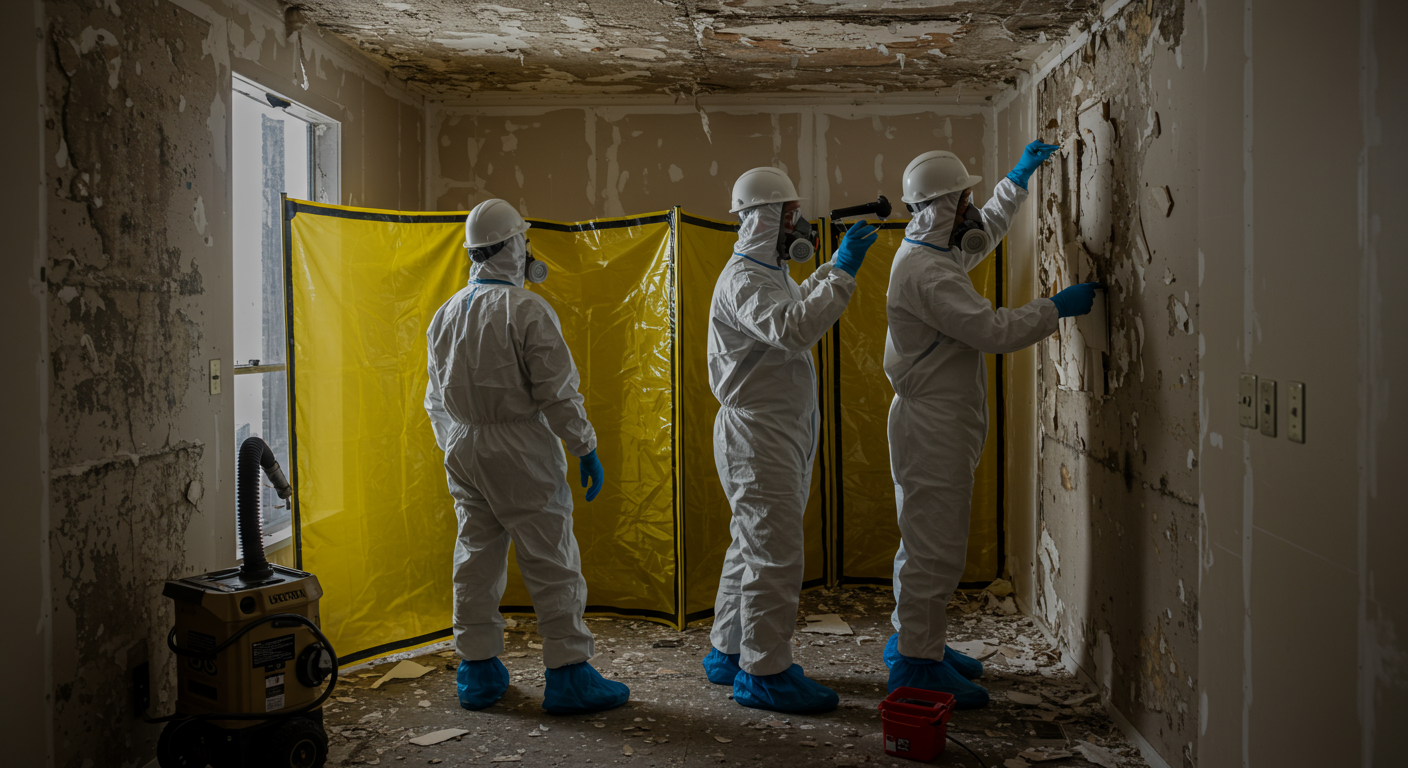
Once the affected areas are identified, containment measures are put in place to prevent the spread of mold spores. This includes sealing off the area with plastic sheeting and using negative air pressure systems. Moisture control is also crucial, as mold thrives in damp conditions. Dehumidifiers and air scrubbers are often used to maintain optimal humidity levels.
Step 3: Removal and Surface Cleaning
The next step involves physically removing mold-infested materials, such as drywall, insulation, or carpeting. Specialized cleaning agents and techniques are used to clean and disinfect surfaces, ensuring that all mold spores are eliminated. This step is critical for preventing future mold growth.
Step 4: Post-Remediation Testing and Prevention
After the remediation process is complete, post-remediation testing is conducted to ensure that the mold has been effectively removed. Preventive measures, such as improving ventilation and fixing leaks, are also implemented to keep your home mold-free.
Why Choose Professional Mold Remediation in Naperville, IL?
Health Risks of Mold Exposure
Exposure to mold can lead to a range of health issues, including:
- Allergic reactions like sneezing, coughing, and itchy eyes
- Asthma attacks and other respiratory problems
- Skin irritation and rashes
For families with children, elderly members, or individuals with compromised immune systems, professional mold remediation is essential to ensure a safe living environment.
Benefits of Hiring Certified Mold Specialists
Certified mold specialists bring expertise, advanced equipment, and proven techniques to the table. They can identify hidden mold, address the root cause, and ensure thorough removal. Hiring professionals also saves you time and reduces the risk of incomplete remediation.
DIY vs. Professional Mold Remediation
While DIY methods may seem cost-effective, they often fail to address the underlying causes of mold growth. Professional remediation ensures a comprehensive solution, minimizing the risk of recurrence and protecting your investment in your home.
Additional Services to Improve Indoor Air Quality
Odor Removal and Air Purification
Mold often leaves behind a musty odor that can linger even after remediation. Professional services include odor removal and air purification to restore a fresh and clean indoor environment.
Water Damage Restoration
Since water damage is a common cause of mold growth, addressing it is a crucial part of the remediation process. Water damage restoration services repair and restore affected areas, preventing future mold issues.
Preventive Maintenance Tips for Mold-Free Living
To keep your home mold-free, consider the following tips:
- Use dehumidifiers to maintain optimal humidity levels
- Ensure proper ventilation in bathrooms and kitchens
- Regularly inspect your home for leaks and repair them promptly
- Clean and dry wet areas within 24-48 hours
For more detailed guidance, check out our Comprehensive Guide to Mold Remediation in Rockford, IL.
FAQs About Mold Remediation in Naperville, IL
How Long Does Mold Remediation Take?
The duration of the remediation process depends on the extent of the mold problem. On average, it can take anywhere from 1 to 5 days.
Is Mold Remediation Covered by Insurance?
Many homeowners’ insurance policies cover mold remediation if the mold is caused by a covered peril, such as a burst pipe. It’s best to check with your insurance provider for specific details.
Can Mold Come Back After Remediation?
While professional remediation significantly reduces the risk of recurrence, mold can return if the underlying causes, such as moisture or poor ventilation, are not addressed.
Professional mold remediation is the key to restoring a safe and healthy living environment in Naperville, IL. By addressing the root causes of mold growth and implementing preventive measures, you can protect your home and your family’s health. Whether you’re dealing with a minor mold issue or a severe infestation, trust certified specialists to deliver effective and lasting solutions. For expert services, explore our Mold Remediation in Joliet, IL guide.