

Asbestos siding, once a popular choice for home exteriors, has become a significant concern for homeowners due to its associated health risks. If your home has asbestos siding, you might be wondering about the safest and most cost-effective way to address it. This guide will walk you through everything you need to know about covering asbestos siding, including the risks, options, and step-by-step instructions to ensure a safe and successful project.
Understanding Asbestos Siding
Overview of Asbestos Siding and Its Risks
Asbestos siding was widely used in the mid-20th century due to its durability, fire resistance, and affordability. However, it contains asbestos fibers, which can become hazardous when disturbed. These fibers can be released into the air, posing health risks to anyone exposed.
Health Hazards Associated with Asbestos
Exposure to asbestos fibers can lead to severe health issues, including asbestosis, lung cancer, and mesothelioma. The risks are particularly high during renovation or demolition projects when the siding is disturbed. This is why handling asbestos siding requires careful planning and adherence to safety protocols.
Options for Homeowners: Removal vs. Covering
Pros and Cons of Removing Asbestos Siding
Removing asbestos siding is a permanent solution, but it comes with significant challenges. The process is labor-intensive, expensive, and requires professional handling to comply with legal regulations. Improper removal can release harmful fibers into the air, increasing health risks.
Benefits of Covering Asbestos Siding
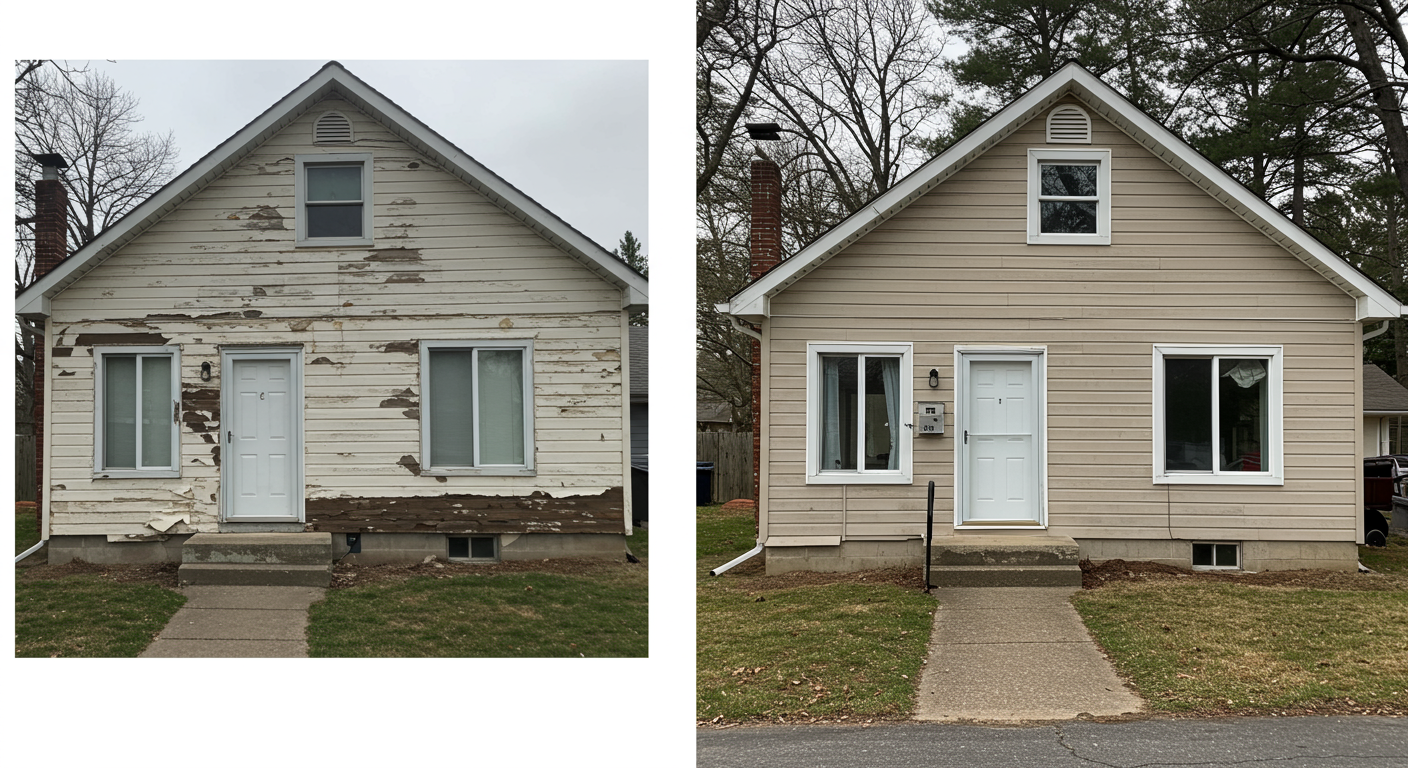
Covering asbestos siding is a safer and more cost-effective alternative. By installing new siding over the existing material, you can encapsulate the asbestos, preventing fiber release. This method is less disruptive, more affordable, and still allows you to update your home’s appearance.
Step-by-Step Guide to Covering Asbestos Siding
Preparing Your Home for the Project
Before starting, inspect the asbestos siding for damage or loose pieces. Repair any cracks or holes to ensure a smooth surface for the new siding. Clean the area thoroughly to remove dirt and debris, which can interfere with the installation process.
Essential Tools and Materials Needed
To cover asbestos siding, you’ll need the following:
- New siding material (vinyl, wood, or fiber cement)
- Measuring tape
- Safety gear (mask, gloves, goggles)
- Nails, screws, and a hammer or nail gun
- Utility knife and saw
- Level and chalk line
Having the right tools and materials on hand will streamline the project and ensure a professional finish.
Installation Process: Adding New Siding Over Asbestos
- Measure and Plan: Measure the dimensions of your home to determine the amount of siding needed. Plan the layout to minimize waste and ensure a uniform appearance.
- Install Furring Strips: Attach furring strips over the asbestos siding to create a flat surface for the new siding. This step also provides ventilation, preventing moisture buildup.
- Attach the New Siding: Begin at the bottom of the wall and work your way up, securing each piece with nails or screws. Overlap the edges to create a seamless look and protect against water infiltration.
- Seal and Finish: Use caulk to seal gaps around windows and doors. Paint or stain the new siding if desired to enhance your home’s curb appeal.
Safety Precautions and Legal Considerations
Importance of Professional Assessment
Before starting any work, consult a professional to assess the condition of your asbestos siding. They can identify potential hazards and recommend the best course of action. In some cases, professional installation may be necessary to ensure compliance with safety standards.
Legal Regulations Surrounding Asbestos Handling
Laws regarding asbestos handling vary by location, but most require homeowners to follow strict guidelines to prevent exposure. Check your local regulations to determine whether permits or professional oversight are required for your project.
Recommended Safety Gear and Practices
When working with asbestos siding, always wear protective gear, including a mask, gloves, and goggles. Avoid cutting or sanding the siding, as this can release harmful fibers. Dispose of any waste materials according to local guidelines to minimize environmental impact.
By following this comprehensive guide, you can safely cover asbestos siding and transform your home’s exterior without compromising safety. If you’re unsure about any step, consult a professional to ensure the project is completed correctly. For more tips on maintaining a safe and healthy home, check out our expert mold removal services in Oak Park, IL or explore our comprehensive guide to mold remediation in DeKalb, IL.